
Uganda Today Edition: Kabaka Foundation’s ‘Tubeere Balamu’ Health Camp Uplifts Kyaggwe Saza with Free Medical Services
Kyaggwe, Buganda — As Uganda grapples with persistent gaps in the public healthcare system, the Buganda Kingdom—under the stewardship of Kabaka Ronald Muwenda Mutebi II—continues to take decisive strides toward safeguarding the health and well-being of its people through the Kabaka Foundation’s ‘Tubeere Balamu’ health outreach program.
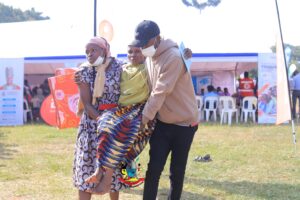
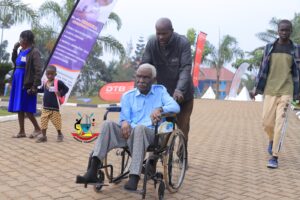
The latest health camp, held on 12th and 13th August 2025, unfolded at the Kyaggwe Saza headquarters. It marked a major milestone in the kingdom’s rotating health campaign across the 18 Masaza (counties) of Buganda. Hundreds of locals—comprising the elderly, pregnant women, children, and other vulnerable groups—benefited from free treatment, medical screening, maternal services, and consultations.
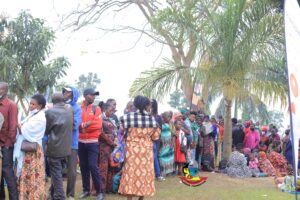
The camp was a hive of activity as medical personnel, mobilized in partnership with the Kabaka Foundation and several pro-health partners, offered care for non-communicable diseases, malaria, HIV, maternal health complications, and general wellness education. The sight of long queues forming as early as dawn testified to the urgency and scarcity of accessible healthcare in many rural Ugandan communities.
A King’s Compassion in Action
The Tubeere Balamu (Let Us Be Healthy) initiative, launched under the patronage of the Kabaka, is more than a gesture of philanthropy—it is an embodiment of cultural leadership stepping in where government institutions have fallen short. In recent years, Uganda’s health sector has suffered from chronic underfunding, medicine stockouts, and systemic neglect, particularly in rural areas. Yet, through this program, the Kabaka has quietly been filling a void left by the state.
“This is not just a medical camp. It is a demonstration of the Kabaka’s love for his people,” remarked a volunteer nurse at the Kyaggwe event. “Where hospitals are distant or empty, Tubeere Balamu brings care right to the community.”

Health as a Cultural Right
By anchoring health as a cultural right and responsibility, the Kabaka Foundation reinforces the deep moral and historical role of traditional institutions in safeguarding their subjects. In Buganda, health is not merely a government concern—it is a communal imperative, woven into the monarchy’s legacy of leadership and service.
The Kyaggwe camp was attended by Saza leaders, clan heads (Abataka), medical volunteers, and a strong turnout of local residents. Cultural performances, health education skits, and motivational talks complemented the clinical services, transforming the retreat into both a healing and learning experience.
The Bigger Picture
As the Tubeere Balamu health camp continues its journey across Buganda’s 18 counties, it shines a harsh light on Uganda’s struggling public health infrastructure. It also reaffirms the enduring relevance of cultural institutions in national development—particularly in bridging service delivery gaps where central authorities fall short.
For many in Kyaggwe and beyond, the camp was not just about medicine; it was about dignity, compassion, and a reminder that healthcare is a right—not a privilege.
Editor’s Note: The next Tubeere Balamu camp will soon move to another Saza. Follow Uganda Today for continuing coverage of this vital initiative and other efforts aimed at improving grassroots health outcomes.
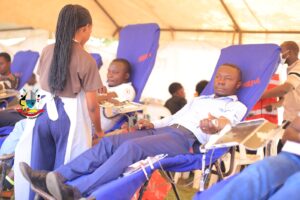
Blood donation is ever one of the activities on all Kabaka Foundation health outreaches.
Publisher