By Dr. Brian Joshua Einstein
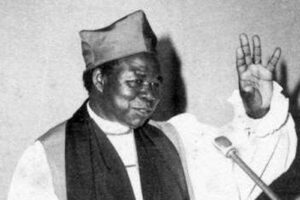
Today, as Uganda commemorates Janani Luwum Day, the nation pauses to reflect on the life and sacrifice of Janani Luwum, a man who chose truth over terror, conscience over convenience, and justice over self-preservation.
The Archbishop Janani Luwum was killed on February 16, 1977, after courageously speaking out against state violence, abuse of power, and the systematic erosion of human dignity. His death was intended to silence a moral voice. Instead, it forged an enduring symbol of courage and ethical leadership.
Nearly five decades later, this solemn day risks losing its deeper significance — not because his story has faded, but because the principles he died defending remain fragile. Luwum’s legacy was anchored in the sanctity of life, the rule of law, and unwavering moral conviction. Yet these ideals continue to face serious tests in contemporary public life.
Concerns around arbitrary arrests, prolonged pre-trial detention, and constraints on civic space persist within national discourse. Uganda’s prisons remain heavily congested, with a substantial proportion of inmates on remand, many awaiting trial for extended periods. Such realities raise difficult but necessary questions about constitutional guarantees, justice, and human rights protections.
Advertising

Equally concerning is the posture of moral leadership in moments of national strain. Where Luwum spoke with clarity and courage, silence from voices expected to defend justice carries profound implications. Silence in the face of injustice is rarely neutral; history consistently shows that it can enable the very conditions that undermine societal progress.
Janani Luwum Day must therefore transcend ritual and remembrance. It should serve as a moment of sober reflection — a national reckoning with the enduring importance of human rights, the rule of law, and accountable governance. Rights are not privileges conferred by authority; they are inherent entitlements safeguarded by the Constitution and by universal principles of human dignity.
This day also offers an opportunity for renewal. It is a call for institutions and leaders alike to recommit to justice, fairness, and the protection of civil liberties. Addressing systemic challenges, including prolonged remand and prison congestion, is not merely administrative — it is a moral and constitutional imperative. Justice delayed, as the adage reminds us, is justice denied.
Encouragingly, nations — like individuals — possess the capacity to correct course. Such course correction demands humility, accountability, and the courage to engage constructively with criticism and dissent. These are not signs of weakness but of democratic maturity.
Ultimately, martyrdom is not honored by monuments alone, but by the choices societies make long after the martyr is gone. The truest tribute to Archbishop Luwum is a Uganda where truth is safeguarded, conscience is valued, and justice is accessible to all.
Dr. Brian Joshua Einstein
President, Africa Youth Convention
Human Rights Activist | Youth Advocate | Advocate for Good Governance
Hashtags:
#JananiLuwumDay #UgandaToday #HumanRights #RuleOfLaw #PhoenixNewsFeeds #OperaNewsFeeds