UgandaToday: Iran: What Next After the Fall of Ali Khamenei?
By Martin Byakuleka
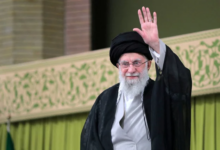
The reported death of Iran’s Supreme Leader, Ali Khamenei, marks a dramatic turning point in the political trajectory of the Islamic Republic. For more than three decades, Khamenei stood at the apex of a system that fused theocracy with republican institutions — a model often described as Islamic republicanism.
Yet beneath the structure of clerical oversight and elected offices lay a rigid system that many critics argue curtailed political competition, limited civil liberties, and narrowed the space for dissent. With the Supreme Leader now gone, the critical question emerges:
What next for Iran?
A System Under Strain
For years, Iran has grappled with deep internal challenges. High inflation, the weight of prolonged U.S. and European sanctions, corruption allegations, and economic mismanagement have strained public confidence. Social restrictions — including mandatory hijab laws, gender segregation policies, and broader limitations on personal freedoms — have fueled frustration, particularly among younger Iranians.

Protests have been met with firm state responses, reinforcing perceptions of a government resistant to reform. Critics have also questioned Tehran’s regional priorities, arguing that resources directed toward allied groups in Syria, Lebanon, Iraq, and Yemen could have been invested more directly in domestic economic relief.
While the extent of regime support versus opposition remains debated, there is little doubt that Iran has experienced sustained internal discontent in recent years.
The Balance of Power: Artesh vs. Revolutionary Guard
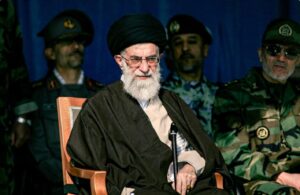
In moments of political upheaval, attention inevitably turns to the security apparatus. Iran’s conventional army, known as the Artesh, operates alongside the powerful Islamic Revolutionary Guard Corps (IRGC), which has long served as the ideological guardian of the regime.
Historically, political transitions in authoritarian systems often hinge on whether security forces remain unified or fracture. In cases such as Egypt (2011), Romania (1989), Sudan (2019), and Philippines (1986), shifts within the military establishment proved decisive in determining outcomes.
If elements within Iran’s security institutions were to align with public demands for reform, the political landscape could change rapidly. Conversely, unity among security organs could preserve continuity, even amid public unrest.
Internal Versus External Drivers of Change
Recent geopolitical tensions — including military actions by the United States and Israel — have added complexity to Iran’s situation. However, history suggests that durable political change is often driven primarily by internal dynamics rather than external intervention.
Even when outside actors influence events, sustainable transformation tends to depend on domestic political organization, public mobilization, and elite realignment. External pressure alone rarely produces stable democratic outcomes.
Lessons for Political Movements
The unfolding events in Iran carry broader lessons for political observers worldwide. First, durable political change often requires coalition-building rather than isolation. Political movements that broaden alliances — including within state institutions — tend to exert greater influence.
Second, the importance of civic awareness cannot be overstated. Political systems that limit access to information often seek to preserve longevity through control of narratives and institutions. Yet informed citizenry remains a central force in shaping political destiny.
A New Chapter or a Strategic Reset?
From an international relations perspective, the situation also raises critical questions about global power politics. Major powers frequently frame interventions as support for democratic change. However, geopolitical calculations — including economic interests, security considerations, and regional influence — often play significant roles.
Whether Iran’s next chapter ushers in meaningful reform, strategic continuity, or intensified geopolitical attestation will depend largely on domestic political actors and the choices they make in the coming weeks and months.
One reality is clear: the post-Khamenei era, if confirmed, would mark one of the most consequential moments in modern Middle Eastern history.
#UgandaToday #PhoenixNewsFeeds #OperaNewsFeeds #Iran #MiddleEastPolitics
#GlobalAffairs
Publisher