
UgandaToday: How Homegrown Digital Grant and Financial Management Systems Are Redefining Accountability and Financial Governance in Uganda
Grant and Financial Management Systems: Pioneering Uganda’s Institutional Accountability Revolution
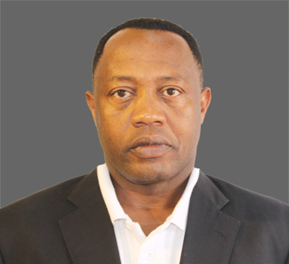
Author: CPA Grant Mpiriirwe
Publication Date: October 6, 2024
Grant Mpiriirwe is a CPA (U), CPFA-Apex (UK), MBA, PGDFM, PGDDS(PPM), BBA graduate. He is a member of ICPA-U, CIPFA-UK and ICGU. Grant sits on various Boards; Hope Partners-Africa, Mayanja Memorial Hospital, Kazire Health Products, and Glow Child Foundation. Currently, heads Finance and Administration docket of National Oil Palm Project and is a Partner at Khan Associates, CPAs. Grant authored a book titled, 15 Fundraising Strategies for Church Sustainability.
Uganda’s Leap Towards Digital Accountability in Grant Management

For the last ten years, Uganda’s universities, government agencies, and development groups have had a hard time making sure that donors are following the rules, that money is being used correctly, and that things are more open. There is now more money available for partnerships between the public and private sectors, research, and international development. There are many ways to make money, and each one has its own set of rules. We need to find new ways to do things instead of the old, slow, and wrong ones.
In response, Uganda has become a leader in the business by making its own rules for giving out money and grants. These tools have made it harder for organizations to get away with things. Some of the tools that are helping to make this happen are Makerere University’s Grants Management System (MakGMS), Athapen’s Grant and Project Financial Management (GPFM), and aBi Development’s Grant Management System (aBi GMS). No one in Uganda has ever used systems like these before. They take the country’s complicated and error-prone ways of handling money and make them into organized, tech-based ways that work for both local needs and the best practices used around the world.
Makerere University’s MakGMS: A Benchmark for Academic Grant Governance in Africa
Makerere University is one of the best research universities in Africa. A lot of contributors work on research programs that have strict rules about money, reporting, and other things. In the 2024, the university set up the Makerere Funding Management System (MakGMS) because it was getting harder to keep track of money for research done in other countries. The system was supposed to link all the parts of the grant process, from sending in proposals to keeping track of spending and reporting back to donors at the end. Now, schools could keep track of all their money in one place online, which made things easier.
People who know a lot about how schools handle money say that MakGMS is a big improvement. It adds real-time budget tracking, checks for compliance, and automated audit trails to the daily work of research administration. By getting rid of broken manual processes and adding digital monitoring that works with everything else, MakGMS has made finances more open across faculties and research divisions. Experts say that this plan will not only make Makerere’s staff more responsible, but it will also help the university’s money management be more in line with what international donors want. This is a great example for schools that get money from a lot of different places.
Impact:
MakGMS does more than just make things better at the school. The technology has made it easier for schools to prepare for audits and for administrators to see right away how grants are being used. This has made reporting more reliable and cut down on administrative delays. Experts in funding for research and development argue that these reforms will help Makerere University preserve its reputation as a good place to manage global research dollars. This will assist the university receive additional donations from other countries, long-term partnerships, and research investments that are done with other people. Because of this, more and more individuals in Uganda and other regions of Africa where research is done consider MakGMS as a good example of how to manage academic grants.
GPFM by Athapen: Redefining Financial Oversight for Grant-Driven Organizations
The Grant and Project Financial Management (GPFM) system from Athapen is an excellent tool for Ugandan groups that accept grants to keep track of their money. In 2021, GPFM was available online. It was created to fix the problems that standard accounting software has when it is used in venues where people pay money. Experts argue that GPFM is different from other commercial financial software since it has built-in donor limitations, project-level budgeting, approval protocols, and traceability that is good enough for an audit. This makes it easier for institutions, government programs, and non-profits to keep track of their limited funding in a way that is obvious and right.
Experts in financial governance argue that GPFM’s largest difference was that it stopped reporting problems after they happened and started making sure people followed the rules before they did. The system keeps track of expenditure limitations on its own, makes sure that all approval processes are the same, and sends out financial reports to each donor in hours instead of weeks. GPFM has made it less probable that delays in compliance and reporting will happen. These delays have previously slowed down the pace of projects that are funded by grants. This is because they have switched from using spreadsheets and laborious reconciliations to real-time digital monitoring. People in the company are starting to think of the platform as a method to keep an eye on the money of native people in Uganda and other parts of East Africa.
Impact
GPFM does more than merely make things better in the whole country. The approach has made it simpler for funders to trust organizations that obtain funds by making audits easier and finances more open. People who know a lot about development finance say that these kinds of changes in accountability are needed to keep the money coming in for international research, development aid, and partnerships between the public and private sectors. Even when they give money, organizations nonetheless want a better government. The way GPFM uses digital technology in the country shows how these systems may help with longterm development and compliance goals while also making sure the country is handling its money well.
aBi Development’s Grant Management System: Driving Accountability in Agriculture and Enterprise Development
Since it came out in 2019, the aBi Development Grant Management System (aBi GMS) has been a big help in making it easier to manage money in Uganda’s agriculture and business development sectors. The platform was set up by aBi Development to support awards that help farmers, agribusinesses, and people in the value chain in some of the country’s poorest industries. aBi GMS set up programs that had always used broken and time-consuming methods by automating the review of grant applications, the distribution of funds, and the tracking of performance.
Experts in the field say that aBi GMS is a way to make grant accountability better that is based on the needs of business and agricultural growth. You can use this system to keep track of how money is spent and send reports that can be checked. This lets donors and partners see how well the program is doing and how well it is following the rules about money. aBi GMS has made programs that help businesses and rural areas run better by giving grant administrators tools to keep an eye on things and be open. This has made the difference in information less.
Impact:
The national impact of aBi GMS is that it helps industries that are important for Uganda’s economy and food security. Donors trust the platform because it makes it easier to find and understand information about how money is spent and what programs do. It has also made sure that the program’s goals are in line with the country’s goals for growth. Experts in development finance argue that aBi GMS is an example of how digital systems built in Uganda may help solve problems in some areas while also making it easier to use resources ethically on a large scale. This makes it a good example of how to handle commercial and agricultural assistance in Uganda and other developing countries.
A Model for Africa: Why Uganda’s Approach Stands Out
Uganda now uses its own grant management systems instead of software from other countries. This is a major step in the right direction. These platforms are not only affordable, but they also work well with how people in Uganda live and work. Uganda now uses its own grant management systems instead of software from other countries. This is a major step in the right direction. These platforms are not only affordable, but they also work well with how people in Uganda live and work. Experts say that there are three main benefits:
- Local relevance: It was created to help Uganda and the people who give money to the country.
- Scalability: Anyone who wants to make the country a better place to live, including college students, can use it.
- Long-term: People and donors will trust you, therefore the money will last for a long time.
Effects on a larger scale:
As Uganda’s expectations for research, development, and public investment expand, systems like MakGMS, GPFM, and aBi GMS will likely become the most significant aspects of the country’s honesty. They will help the country thrive socially and economically, and they will keep people from losing faith in the government.
The Future of Financial Governance in Uganda
Uganda is an excellent example for other African countries that want to be more careful with their money. By focusing on digital transformation, innovation, and localization, Uganda is becoming a leader in institutional accountability in Africa.
Final Thought: “These systems are not merely tools. Daniel K. Mwesigwa says they can also help the environment, build trust, and make things work better.” — CPA Grant Mpiriirwe
- #MakGMS #aBiGMS #GPFM #CPAGrantMpiriirwe https://bit.ly/3REw5gR #UgandaToday #PhoenixNewsFeeds #OperaNewsFeeds
Publisher