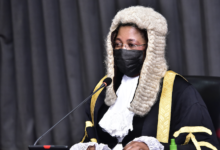

UgandaToday: From Silence to Strength: Primah Kwagala’s Story and the Ongoing Fight for Women’s Inheritance Rights
As the world commemorates International Women’s Day, stories of courage, resilience, and resistance against gender discrimination take center stage. In Uganda and across Africa, many women continue to confront deeply entrenched patriarchal norms that deny them equal rights, especially when it comes to property ownership and inheritance.
One of the voices that has boldly challenged these injustices is Primah Kwagala, a renowned Ugandan human rights lawyer and women’s rights advocate. Through personal testimony and legal advocacy, Kwagala has consistently highlighted how cultural practices often diminish the value of girls and women within families and communities.
Below is a 2018 talk in which she narrates a deeply personal story that reflects the painful realities many women face.
A Childhood Marked by Patriarchal Expectations
In the emotional address delivered to an international audience, Kwagala recounts how patriarchal expectations shaped her childhood experience.
She narrates that in 1997, her father made the decision to bring another wife into the family. The reason was painfully simple yet deeply symbolic of a widespread cultural mindset: her mother had not given birth to a boy who could be recognized as the family heir.

For young Primah and her siblings—who were girls—this decision sent a troubling message. It suggested that daughters were not considered adequate successors within the family structure.
Reflecting on the experience, Kwagala explained that the absence of a male child created a sense that “something was missing” in the household, reinforcing the belief that only sons could inherit family lineage and property.
The Wider Reality for Women in Uganda
Kwagala’s story is not an isolated case. Across many communities in Uganda and other African societies, traditional inheritance systems still favour male descendants.
Under customary practices influenced by the rule of primogeniture, property is often passed to the closest male relative, leaving daughters and widows with limited or temporary rights to family property.
In such systems:
-
Male heirs traditionally become administrators of family estates.
-
Women may depend on male relatives for access to land and housing.
-
Widows can sometimes be denied rights to property after a husband’s death.
These practices persist despite constitutional provisions that guarantee equality between men and women.
Turning Pain into Advocacy
Rather than allowing her childhood experience to silence her, Kwagala transformed it into motivation for change.
She went on to become a leading human rights lawyer and currently heads the Women’s Probono Initiative, an organization that provides legal support to vulnerable women and advocates for gender equality in Uganda.
Through strategic litigation and advocacy, her work has helped:
-
Challenge gender discrimination in access to health services
-
Provide legal aid to indigent women
-
Promote women’s rights to property and land ownership
Her efforts have earned international recognition, including the EU Human Rights Defenders Award for advancing women’s rights in Uganda.
Why International Women’s Day Matters
International Women’s Day is more than a celebration—it is a reminder of the unfinished struggle for equality.
Kwagala’s testimony underscores the reality that many girls grow up questioning their worth simply because they were not born male. Yet her journey also demonstrates that confronting these injustices can inspire change.
By sharing stories like hers, advocates hope to challenge discriminatory traditions and encourage societies to embrace a future where daughters are valued equally as heirs, leaders, and agents of transformation.
#UgandaToday #InternationalWomensDay #WomenRights #GenderEquality #PhoenixNewsFeeds #OperaNewsFeeds
Publisher