
Luzira Prison Visit: Jimmy Spire Ssentongo Raises Alarm Over Factory Pollution, Prison Conditions
+256 702 23 93 37: The academic and social commentator says his first visit to Luzira Women’s Prison revealed commendable efforts by prison staff and charitable organisations, but also raised concerns about alleged industrial air pollution, prisoners’ dignity, food quality and the treatment of remand inmates.

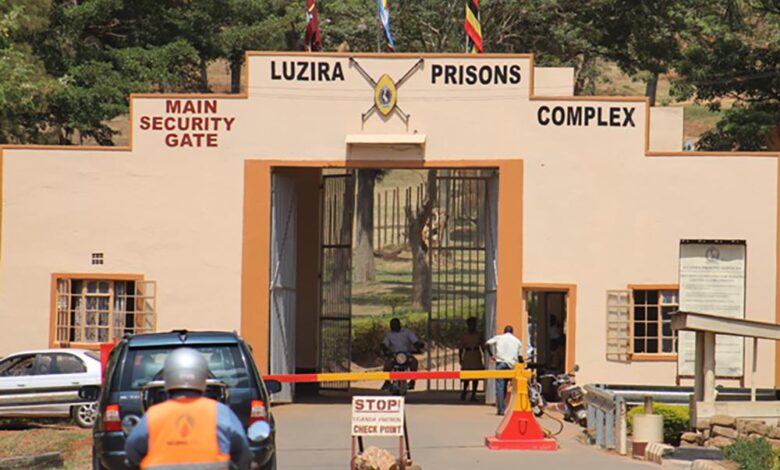
UgandaToday: Luzira Prison Visit: Jimmy Spire Ssentongo Raises Alarm Over Factory Pollution, Prison Conditions
The academic and social commentator says his first visit to Luzira Women’s Prison revealed commendable efforts by prison staff and charitable organisations, but also raised concerns about alleged industrial air pollution, prisoners’ dignity, food quality and the treatment of remand inmates.
By Uganda Today Reporter
A First Visit That Raises Difficult Questions
Academic, cartoonist and social commentator Professor Jimmy Spire Ssentongo has raised concerns about environmental pollution, the treatment of inmates and living conditions at Luzira Prison following his first visit to the women’s section of the correctional facility.
In an account of his visit, Ssentongo said he met Doreen Kaija and Olivia Lutaaya, whose names he mentioned in describing the encounter, and observed both commendable practices and conditions that he believes deserve urgent public attention.
Although he did not have enough time to visit the men’s section, Ssentongo’s observations have brought renewed attention to the welfare of people in detention, the responsibilities of prison authorities and the need to safeguard the health and dignity of inmates.
One of his most serious concerns involved factories situated behind the prison, which he alleged were releasing pollutants into the surrounding air, potentially exposing prisoners and prison officers to health risks.
Factories Behind Luzira Prison: A Call For Environmental Accountability
Ssentongo questioned how industrial activities that allegedly pollute the air could be allowed to affect people living and working inside a confined correctional facility.
He called on the National Environment Management Authority (NEMA) to explain how such conditions could be permitted, particularly when prisoners have limited freedom to leave the affected environment.
His concern raises an important environmental justice question: who protects people whose circumstances make it difficult for them to escape exposure to potentially harmful pollution?
Unlike residents who may be able to relocate or workers who can leave a workplace after their shifts, prisoners live within the boundaries of the institution. Prison officers also spend considerable time at the facility while carrying out their duties.
If the reported pollution is confirmed, the consequences could extend beyond discomfort to possible respiratory and other health risks, depending on the nature and concentration of the emissions.
However, the identities of the factories, the substances allegedly released and the extent of any environmental contamination were not established in Ssentongo’s account. Independent environmental monitoring would therefore be necessary to determine whether the facilities comply with applicable environmental standards.
NEMA and the relevant public health authorities have an important role in investigating credible complaints, assessing air quality and ensuring that industrial operations do not expose surrounding communities or people in detention to unlawful or dangerous pollution.


Clean Premises And Professional Warders Earn Praise
Despite his concerns, Ssentongo acknowledged several positive aspects of the facility.
He described the section of the prison he visited as very clean, adding that the inmates also appeared clean. He praised the warders for being friendly and professional in their interactions.
He also reported that Kaija spoke positively about improvements in the treatment of prisoners under the current officer in charge, whose name he said he had forgotten to establish during the visit.
The account offers a more nuanced picture of prison life, recognising that positive developments in daily prison administration can coexist with unresolved concerns about inmates’ welfare.
Ssentongo’s observations suggest that professionalism, cleanliness and respectful engagement between officers and inmates are important elements of humane detention.
The challenge, however, is to ensure that such standards are consistently maintained across the wider prison system.
Phaneroo Church Commended For Supporting Prisoners
Ssentongo also praised Pastor Grace Lubega and Phaneroo Ministries International for reportedly providing regular assistance to the prison.
According to the inmates he spoke to, the church donates items including mattresses and food, and its visits are occasions that prisoners look forward to because they bring happiness to the institution.
He described the support as an example of practical religious commitment, encouraging more people and organisations to help those living in difficult circumstances.
Prisoners remain members of society, and access to meaningful social and spiritual support can contribute to their emotional well-being, rehabilitation and eventual reintegration.
Faith-based organisations, charities and other community groups can play a constructive role by complementing official welfare services, provided their activities are coordinated with prison authorities and meet the needs of inmates.
Prison Healthcare: Effort Recognised, Improvements Still Needed
Healthcare was another area Ssentongo discussed positively, although he was careful not to describe the services as ideal.
He said the prison’s healthcare provision was commended, with an acknowledgement that efforts were being made to care for inmates despite limitations.
Access to medical care is particularly important in custodial settings, where people may have limited control over their living environment and ability to seek treatment independently.
The Uganda Prisons Service identifies safe custody, humane treatment and rehabilitation as central elements of its mandate.
Ssentongo’s observations nevertheless point to the need for continued investment in prison healthcare, adequate supplies, qualified personnel and timely access to specialised treatment where necessary.
Why Are Prisoners Expected To Kneel When Addressing Warders?
One of the practices that unsettled Ssentongo was seeing prisoners kneeling while speaking to warders.
He questioned whether such a posture was necessary, raising concerns about dignity and the nature of relationships between prison officers and inmates.
Prisons require discipline, security procedures and respect for lawful authority. However, discipline need not automatically translate into practices that undermine a person’s dignity.
The question raised by Ssentongo is whether kneeling is a formal requirement, a local custom or an individual practice, and what purpose it serves in prison administration.
The Uganda Prisons Service and the relevant oversight authorities could help clarify the matter and ensure that procedures governing interactions between staff and inmates are consistent with humane treatment.
People in detention lose their freedom of movement, but they do not cease to be human beings deserving of respect.
Remand Inmates And Convicts: Is Pre-Trial Detention Becoming Punishment?
Another issue that troubled Ssentongo was the reported practice of keeping people awaiting trial alongside convicted prisoners under similar conditions.
He questioned whether people on remand were effectively being punished before their cases had been concluded in court.
The concern touches on a fundamental principle of criminal justice: a person charged with an offence is presumed innocent until proven guilty by a competent court.
Uganda’s Prisons Act provides for unconvicted prisoners to be presumed innocent and treated accordingly, with separation from convicted prisoners.
Ssentongo’s account raises questions about whether the distinction between remand and convicted inmates is adequately reflected in their daily conditions, access to services and treatment within the facility.
Remand detention is intended to secure a suspect’s presence during judicial proceedings, not to impose a sentence before conviction. While security considerations and limited resources may complicate prison management, they do not remove the obligation to respect the legal status of people awaiting trial.
The issue also highlights the importance of timely court hearings, access to legal representation and appropriate use of lawful alternatives to detention where applicable.


Prison Food Under Scrutiny
Ssentongo reported that inmates complained bitterly about the quality of prison food, with some describing it in extremely unflattering terms.
He was particularly concerned about prisoners who rarely receive visitors and therefore have fewer opportunities to supplement their meals or, where prison authorities permit it, prepare food themselves.
Those who receive regular visits may have access to additional food supplies, but inmates without such support can be left more dependent on the standard prison ration.
The concern is not merely about taste. Adequate nutrition is essential to maintaining health, supporting recovery from illness and ensuring that prisoners can participate in rehabilitation activities.
The issue has also featured in official parliamentary scrutiny. A report by Parliament’s Committee on Human Rights concerning conditions at Luzira Maximum Prison found that the food provided lacked variety and did not meet minimum balanced-diet standards, attributing the problem partly to limited budgetary provision. The committee recommended increased government funding.
Ssentongo argued that prisoners deserve better food, even if prison meals cannot reasonably be expected to match what people enjoy in their homes.
His observation presents a straightforward question for policymakers: can the state guarantee a sufficiently nutritious diet for all inmates, irrespective of whether they receive visitors or have relatives able to provide additional food?
Prisoners should not have to depend on charity or family resources to meet their basic nutritional needs.
The Pain Of Being Imprisoned While Innocent
Beyond the physical conditions he observed, Ssentongo reflected on what he considered the most painful aspect of imprisonment: being behind bars while believing oneself to be innocent.
The observation highlights the emotional and psychological burden of detention, especially for people whose cases remain unresolved or who maintain that they have been wrongly accused.
Time spent in prison can affect family relationships, livelihoods, reputations and mental well-being. Where court proceedings are delayed, the consequences can be particularly severe for people who have not been convicted.
The presumption of innocence is therefore more than a legal formality. It is a safeguard against treating allegations as established facts and against allowing pre-trial detention to become punishment by another name.
The justice system must balance legitimate security concerns with the rights of suspects, the need for fair hearings and the importance of resolving cases without unnecessary delay.
What Should Happen Next?
Ssentongo’s first visit to Luzira Women’s Prison has drawn attention to issues that warrant examination by prison authorities, environmental regulators and government policymakers.
Several practical steps would help address the concerns raised:
-
NEMA: Investigate the factories reportedly emitting pollutants near the prison, identify their operators and publish findings from independent air-quality assessments where appropriate.
-
Uganda Prisons Service: Clarify the rules governing prisoners’ interactions with warders, review complaints about food and explain how remand inmates are separated from convicted prisoners in practice.
-
Government: Ensure that prison budgets adequately provide for nutritious meals, healthcare and humane living conditions.
-
Judicial authorities: Continue efforts to reduce avoidable delays in criminal proceedings and ensure that remand detention is used in accordance with the law.
-
Civil society and religious organisations: Sustain constructive support for inmates, including welfare assistance, counselling and rehabilitation programmes.
The Uganda Prisons Service has publicly identified humane custody and rehabilitation as central responsibilities. Delivering on those responsibilities requires both professional prison management and effective oversight.
Conclusion: Prisoners Must Not Be Forgotten
Ssentongo’s account presents a balanced but challenging picture of Luzira Women’s Prison. He praised cleanliness, professional warders, reported improvements in treatment, healthcare efforts and charitable support from Phaneroo Ministries International.
At the same time, he raised serious questions about alleged factory pollution, the dignity of prisoners, conditions for remand inmates and the adequacy of prison food.
These observations should prompt investigation rather than premature conclusions. The alleged pollution, in particular, needs independent verification, while the concerns about detention conditions deserve responses from the relevant authorities.
Ultimately, imprisonment restricts liberty; it should not erase human dignity. People behind bars remain entitled to humane treatment, appropriate healthcare, adequate nutrition and the protections of the law.
As Ssentongo’s visit suggests, a society’s commitment to justice is measured not only by how it treats those who enjoy freedom, but also by how it treats those who have lost it.
#UgandaToday #JimmySpireSsentongo #LuziraPrison #HumanRights #EnvironmentalProtection #UgandaPrisons
Editorial Publication Note
The images above are illustrative photos, not verified photographs of the specific scenes described by Ssentongo.