
Why Iran Stands Alone: The Ideological and Geopolitical Fault Lines Behind Tehran’s Confrontation with Israel and the United States
+256 702 239 337: Hostility towards Washington and Tel Aviv ceased being mere foreign policy positioning; it became embedded in state ideology.

UgandaToday: Why Iran Stands Alone: The Ideological and Geopolitical Fault Lines Behind Tehran’s Confrontation with Israel and the United States
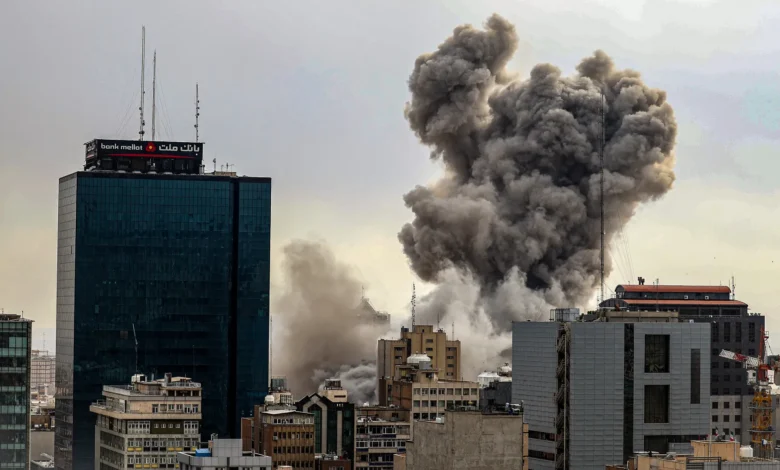
As deadly missiles rain down on Tehran following coordinated strikes by the United States and Israel, a deeper question reverberates across the Middle East:
Why does Iran appear to stand alone in direct confrontation, while many other Muslim-majority states remain strategically aligned with Washington?
Beyond the immediate military escalation lies a complex web of theology, history, geopolitics, and regime survival.
Mounting Civilian Death Toll in Tehran
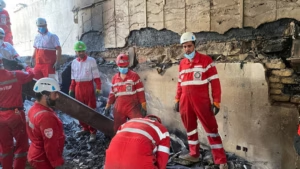
Since the escalation began, international monitoring groups and regional health authorities estimate that hundreds of civilians have been killed, including dozens of children, following missile and aerial strikes on military and dual-use infrastructure in and around Tehran. Casualty figures remain fluid due to restricted access and competing narratives from the warring sides.
Humanitarian agencies warn that civilian areas near strategic installations have suffered collateral damage. Hospitals in Tehran have reportedly been overwhelmed, with rescue operations continuing in affected districts.
While Israel and the United States maintain that their strikes are precision-targeted against military and strategic assets, Iranian authorities insist that civilian lives are bearing the brunt of the bombardment.
The true scale of the humanitarian toll may only be known once independent verification becomes possible.
From U.S. Ally to Principal Adversary
Before 1979, Iran under Mohammad Reza Pahlavi was one of Washington’s closest allies in the Middle East and maintained quiet relations with Israel.
That alignment collapsed after the Islamic Revolution led by Ruhollah Khomeini.
The new Islamic Republic redefined Iran’s identity around three ideological pillars:
-
Opposition to Western domination
-
Rejection of Israel’s legitimacy
-
Governance rooted in Shia Islamic political theology
Hostility towards Washington and Tel Aviv ceased being mere foreign policy positioning; it became embedded in state ideology.
The Shia–Sunni Divide: More Than Theology
Iran is the world’s largest Shia-majority nation, while most Arab states are predominantly Sunni.
The Sunni–Shia split dates back to 632 CE following the death of Prophet Muhammad. Initially a dispute over leadership succession, it evolved over centuries into a theological and political divide.
Today:
-
85–90% of Muslims globally are Sunni
-
10–15% are Shia
-
Iran is approximately 90–95% Shia
-
Saudi Arabia, Egypt, and Jordan are Sunni-majority
This sectarian difference shapes regional alliances and rivalries.
The Doctrine That Changed Iranian Politics
For centuries, Shia scholars generally avoided direct governance, awaiting the return of the “Hidden Imam.” That changed in 1979 when Khomeini introduced the doctrine of Velayat-e Faqih — the “Guardianship of the Islamic Jurist.”
Under this system:
-
A Supreme Leader holds ultimate authority
-
Clerics exercise oversight over elected institutions
-
The state is built explicitly on Shia jurisprudence
Prior to the death of Iran’s Supreme Leader Ali Khamenei, he had embodied this model — a structure unmatched in Sunni-majority states. No comparable clerical supremacy system exists in Saudi Arabia, Egypt, or Jordan.
Regional Power Struggles: Religion Meets Geopolitics
Iran views itself as protector of Shia communities across the region and supports allied movements in Iraq, Lebanon, and Yemen. Sunni monarchies, particularly Saudi Arabia, interpret this posture as:
-
A challenge to their religious legitimacy
-
A threat to Sunni dominance
-
A destabilizing force among their own Shia minorities
Thus, what is often portrayed as sectarian hostility is in reality a combination of:
Religious identity + political legitimacy + strategic competition
Persian Identity in an Arab-Dominated Region
Iran is not Arab. It is Persian — with its own language (Farsi), imperial history, and civilizational identity predating Islam. This ethnic and historical distinction reinforces Tehran’s sense of exceptionalism and separateness from its Arab neighbors.
Why Many Muslim States Align with Washington
The reluctance of many Muslim-majority states to confront the U.S. militarily is less theological than strategic.
-
Saudi Arabia maintains a long-standing oil-for-security partnership with Washington dating back to 1945.
-
Jordan depends heavily on U.S. economic and military aid.
-
Egypt has been strategically aligned with the U.S. since the Camp David Accords of 1978.
These states prioritize regime stability and economic survival over ideological confrontation.
Iran, by contrast, positions itself as the axis of “resistance.”
A Conflict with Global Implications
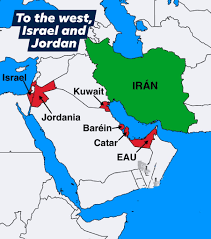
The current escalation between Tehran, Washington, and Tel Aviv risks widening beyond bilateral confrontation. If civilian casualties continue to mount, regional pressure may intensify, potentially triggering proxy escalations in Lebanon, Iraq, and the Gulf.
For now, Iran’s ideological foundation, sectarian identity, and strategic posture leave it confronting two of the world’s most powerful militaries with limited overt backing from fellow Muslim states. Whether this isolation strengthens its resistance narrative or deepens its vulnerability remains to be seen.
#UgandaToday #MiddleEastCrisis #IranIsraelConflict #GlobalSecurity #TehranStrikes
#Geopolitics #PhoenixNewsFeeds