Tensions Escalate as Iran’s Interim Cleric Alireza Arafi and U.S. President Donald Trump Trade Sharp Statements Amid Regional Conflict
+256 702 239 337: Attempts at indirect talks, which have been part of negotiations on nuclear limitations and sanctions relief, now face an uncertain future as hardline voices on both sides gain prominence. Recent rounds in Geneva failed to produce meaningful agreement, raising concerns that rhetoric may precede further military engagement.

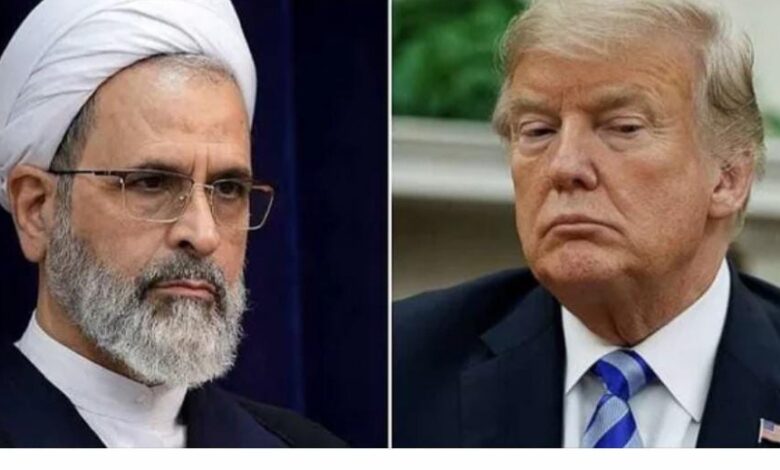

UgandaToday: Tensions Escalate as Iran’s Interim Cleric Alireza Arafi and U.S. President Donald Trump Trade Sharp Statements Amid Regional Conflict
By Uganda Today
In the wake of the assassination of Ayatollah Ali Khamenei, Iran’s long-time Supreme Leader, the Middle East finds itself navigating a perilous transition period marked by heightened rhetoric from rival global powers. At the centre of this diplomatic and military fault line are Ayatollah Alireza Arafi, newly appointed member of Iran’s interim leadership council, and U.S. President Donald J. Trump, whose recent statements reflect an intensifying and volatile confrontation with Tehran.
Arafi’s Defiant Tone and Revolutionary Resolve
Ayatollah Alireza Arafi, a senior Iranian cleric and member of the Guardian Council now acting part of a three-member interim leadership council following Khamenei’s death, has signalled continuity in Iran’s hardline approach. Arafi’s public remarks—reported on social media and subsequently removed from platforms like X after suspension of his account—pledge loyalty to Khamenei’s strategic military directives and vow to avenge the loss of the late Supreme Leader.
Arafi is recognised within the clerical hierarchy as a staunch advocate for strict adherence to Shi’a Islamic law and a defender of Iran’s revolutionary ideology. Analysts describe his elevation as reinforcing the ideological backbone of the Islamic Republic, prioritising religious legitimacy and revolutionary zeal over diplomatic compromise.
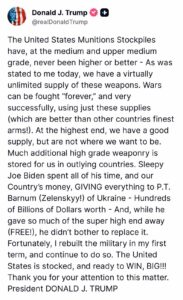
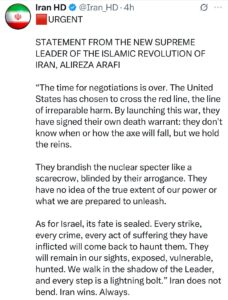
His statements come at a time when Iran has launched coordinated responses across the Middle East, from strikes on critical infrastructure to mobilisation of allied militia groups—actions many analysts say were pre-planned under Khamenei’s regional war strategy.
Trump’s Provocative Messaging and Strategic Ambiguities
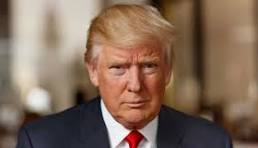
Across the geopolitical divide, U.S. President Donald Trump has also issued remarks that sharpen tensions. Trump has publicly suggested he wants “somebody from within” Iran to take leadership following Khamenei’s death, expressing that foreign-imposed regime change could be counterproductive if it leads to an equally authoritarian successor.
Nevertheless, Trump and his administration have maintained a mix of hawkish and diplomatic language: criticising nuclear negotiations as unsatisfactory while granting additional time for diplomacy.
Trump has also faced domestic and international political friction. Senior U.S. officials are reported to be sceptical that the removal of Iran’s supreme leader will automatically trigger a collapse of the theocratic state apparatus.
Impact on Diplomacy and Regional Stability
The public exchange of assertive rhetoric exacerbates already fragile diplomatic efforts. Iran’s top security officials have flatly rejected renewed negotiations with Washington, accusing Trump of d6estabilising the Middle East and transforming U.S. foreign policy into an “Israel-First” agenda—a statement that risks wiping out residual diplomatic channels.
Attempts at indirect talks, which have been part of negotiations on nuclear limitations and sanctions relief, now face an uncertain future as hardline voices on both sides gain prominence. Recent rounds in Geneva failed to produce meaningful agreement, raising concerns that rhetoric may precede further military engagement.
Global Repercussions and Economic Risks
Beyond the battlefield and negotiation rooms, markets have already reacted. Oil prices spiked sharply in response to fears of supply disruption as conflict intensifies, while investors seek refuge in stable assets like gold.
Senior leaders from Middle Eastern countries, as well as European and Asian partners, are warning that the breakdown of diplomacy—signalled by the inflammatory statements from Tehran and Washington—could draw multiple states into a wider conflict, disrupting trade routes and economic stability worldwide.
What the Future Holds
The rhetorical escalation between Arafi and Trump reflects deeper strategic schisms that extend beyond personalities to fundamental disagreements over sovereignty, nuclear ambitions, and ideological governance. If left unchecked, these exchanges could solidify opposing blocs, making compromise harder and potentially facilitating protracted instability.
Hashtags
#IranUSConflict #AlirezaArafi #DonaldTrump #MiddleEastTensions #GlobalDiplomacy #NuclearNegotiations #RegionalStability #UgandaToday