Orchestrated Denomination of NUP Candidates: Kyagulanyi Warns Byabakama
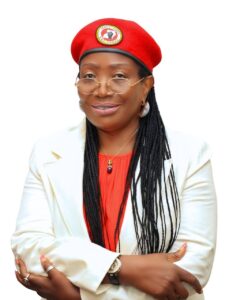
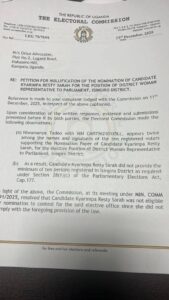
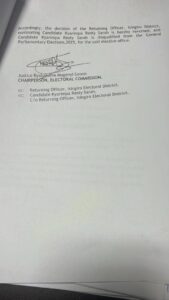
Allegations of Engineered Denominations and Biased Nominations At the centre of the controversy is the recent denomination of the NUP Woman MP candidate for Isingiro District, Resty Kyarimpa, which Kyagulanyi claims is part of a broader pattern of targeted disenfranchisement. According to NUP sources, the Electoral Commission argued that one individual supported Kyarimpa’s nomination twice – a situation allegedly impossible under the Commission’s computerised nomination system, which prevents multiple secondments by the same person and even bars a supporter from backing two different candidates. Critics say this reasoning is spurious and targeted to invalidate opposition candidature.


UgandaToday: Orchestrated Denomination of NUP Candidates: Kyagulanyi Warns Byabakama
Kampala, Uganda – National Unity Platform (NUP) President Robert Kyagulanyi Ssentamu has sounded a stark warning to the Electoral Commission (EC) Chairperson Justice Simon Mugenyi Byabakama, accusing the commission of systematically engineering the denomination of NUP candidates and facilitating illegal political manoeuvres that favour the ruling National Resistance Movement (NRM) ahead of Uganda’s 2026 general elections.
Kyagulanyi, popularly known as Bobi Wine, expressed profound frustration over what he termed clandestine attempts by the NRM regime, colluding with EC officials, to thwart genuine competition, particularly targeting NUP candidates who have resisted bribery and inducements. He observed that whatever Byabakama seeks to achieve through these irregularities, he will ultimately get — but at the cost of Uganda’s democratic integrity.
Allegations of Engineered Denominations and Biased Nominations
At the centre of the controversy is the recent denomination of the NUP Woman MP candidate for Isingiro District, Resty Kyarimpa, which Kyagulanyi claims is part of a broader pattern of targeted disenfranchisement. According to NUP sources, the Electoral Commission argued that one individual supported Kyarimpa’s nomination twice – a situation allegedly impossible under the Commission’s computerised nomination system, which prevents multiple secondments by the same person and even bars a supporter from backing two different candidates. Critics say this reasoning is spurious and targeted to invalidate opposition candidature.
While this specific incident awaits formal documentation in public reporting, trends across the country corroborate a broader pattern of EC rulings that disqualify or overturn nominations under questionable pretexts. For example, the Electoral Commission declared an NUP parliamentary contender in Nebbi District ineligible after a petition claiming forged endorsements, even as one petitioner was found to belong to the NRM — raising questions of partisan motives in adjudication.
Similarly, EC Chairperson Byabakama recently overturned the nomination of NUP’s Mathias Walukagga for the Busiro East Parliamentary race on academic qualification grounds — a decision widely criticised by opposition supporters as politically motivated.
Kyagulanyi maintains that such administrative technicalities are being weaponised to block opposition participation, especially against candidates who have refused offers to abandon their political ambitions in return for cash and appointments.
NRM-Induced Defections and Bribery Allegations
In a related wave of political manoeuvring, NUP leadership has accused the ruling party of promoting defections by inducing candidates with financial incentives, government jobs, and other privileges, using state resources as leverage. According to NUP Secretary-General David Lewis Rubongoya, as many as 98 percent of NUP aspirants nationwide were approached with offers to defect, undermining the opposition’s electoral footprint.
Several NUP candidates have come forward reporting offers ranging from tens to hundreds of millions of shillings, as well as promises of postings such as Resident District Commissioner (RDC) positions in exchange for withdrawing from electoral contests — offers they rejected.
At the same time, official reports confirm a growing number of defections from NUP to NRM, including notable parliamentary candidates, provoking further speculation over whether these shifts are voluntary or engineered under political pressure. One such case saw NUP candidate Osbert Kato withdraw from the Ruhinda North race and join NRM, a development swiftly celebrated by Deputy Speaker Thomas Tayebwa, who now faces no contest in that seat.
Wider Context: Suppression Beyond Nominations
Beyond nomination anomalies and inducements, the NUP has documented other forms of systemic obstruction — from candidates being blocked at polling booths to accusations of intimidation and arrests of party agents. In some districts, NUP endorsed aspirants were turned away from nomination halls on inconsistent administrative grounds, while in others, delays and bureaucratic excuses denied timely processing of valid documentation.
A Call for Democratic Reset
Kyagulanyi and NUP leaders argue that the pattern of biased enforcement, engineered nominations, and inducement-driven defections not only violates Uganda’s constitutional guarantees of political freedom but also reflects a compromised judiciary and weakened democratic institutions.
“Uganda needs a reset — a reclaiming of democratic norms and electoral integrity,” Kyagulanyi declared, urging voters and civil society to remain vigilant against what he describes as engineering of election outcomes before a single vote is cast.
Read Earlier Coverage
For background on related developments and earlier allegations of nomination interference, readers are urged to revisit the earlier publication — “NUP alleges…” on UgandaToday.
Hashtags
#UgandaToday #UgandaElections2026 #ProtestVote2026 #PhoenixNewsFeeds #OperaNewsFeeds