Uganda’s 2026 Presidential Election Clouded by Repression as Opposition Mounts Challenge to Museveni’s 40-Year Rule
International Scrutiny Grows The CNN report has amplified international attention on Uganda’s political climate, raising questions about whether the country can conduct a credible election under such conditions. Diplomatic observers and democracy advocates are increasingly calling for restraint by security forces and respect for constitutional freedoms, including the right to assemble, campaign and express dissenting views.

UgandaToday: Uganda’s 2026 Presidential Election Clouded by Repression as Opposition Mounts Challenge to Museveni’s 40-Year Rule
By UgandaToday Editorial Desk
As Uganda edges closer to its next presidential election, a grim picture is emerging of a political contest increasingly defined not by open debate, but by intimidation, repression and the systematic targeting of opposition figures.
A video compilation by CNN international correspondent Larry Madowo lays bare the heavy-handed tactics employed by state security agencies against the opposition, particularly National Unity Platform (NUP) leader and presidential candidate Robert Kyagulanyi Ssentamu, popularly known as Bobi Wine. The footage underscores growing concerns among human rights observers that Uganda’s electoral environment is being deliberately militarised to stifle dissent and secure the continuity of President Yoweri Kaguta Museveni’s nearly four-decade grip on power.
Kyagulanyi Under Siege
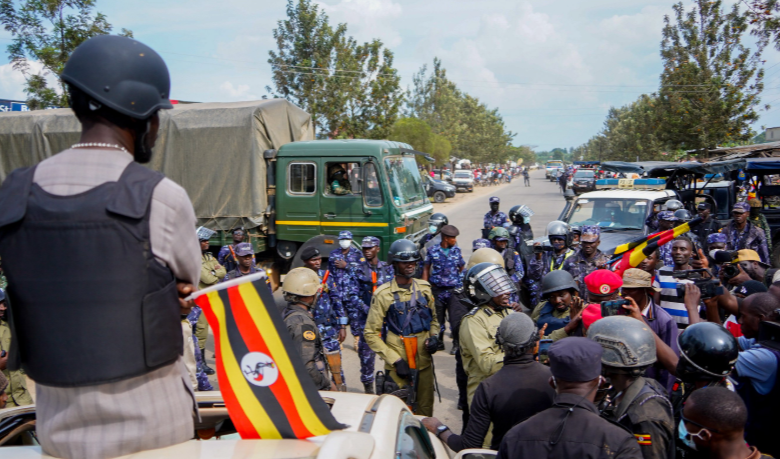
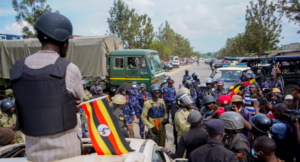
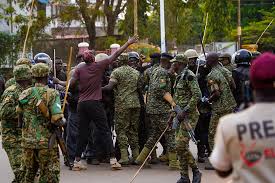
The CNN video documents repeated incidents in which Kyagulanyi and his supporters are violently dispersed during political engagements. Security forces are seen using brute force to block campaign movements, arrest opposition activists and confine the NUP leader to his vehicles, effectively denying him access to voters.
Kyagulanyi, who emerged as Museveni’s strongest challenger in the last election, appears in the footage visibly restrained, harassed and surrounded by armed operatives. His rallies are frequently curtailed under the guise of maintaining “public order”, while ruling party activities proceed uninterrupted.
“These are not isolated incidents,” Madowo notes in his narration, describing a pattern of state-sponsored repression designed to weaken opposition mobilisation ahead of the polls.
Shrinking Democratic Space
The footage also highlights the broader crackdown on civic space, with journalists, activists and ordinary citizens caught in the crossfire. Opposition supporters are beaten, arrested or dispersed, often without explanation, reinforcing fears that Uganda’s electoral process is being reduced to a controlled ritual rather than a genuine democratic exercise.
Human rights organisations have long accused Museveni’s government of weaponising security agencies to neutralise political threats. As the election approaches, these concerns are intensifying, with critics warning that the current trajectory points toward an election conducted under fear rather than freedom.
International Scrutiny Grows
The CNN report has amplified international attention on Uganda’s political climate, raising questions about whether the country can conduct a credible election under such conditions. Diplomatic observers and democracy advocates are increasingly calling for restraint by security forces and respect for constitutional freedoms, including the right to assemble, campaign and express dissenting views.
For many Ugandans, the video resonates with lived experience — one where political participation comes at high personal risk, and where calls for change are met with batons, arrests and intimidation.
A Defining Moment
As Uganda stands at a crossroads, the treatment of opposition candidates like Robert Kyagulanyi is shaping perceptions of the upcoming election both at home and abroad. Whether the country can reverse course and restore confidence in its democratic processes remains an open question — one that will define Uganda’s political future long beyond the next vote.
#UgandaElections
#Museveni40Years
#BobiWine
#UgandaToday
#PhoenixNewsFeeds
#OperaNewsFeeds