
UgandaToday: Africa’s Ageing Presidents: The Old Men Who Fear Letting Go
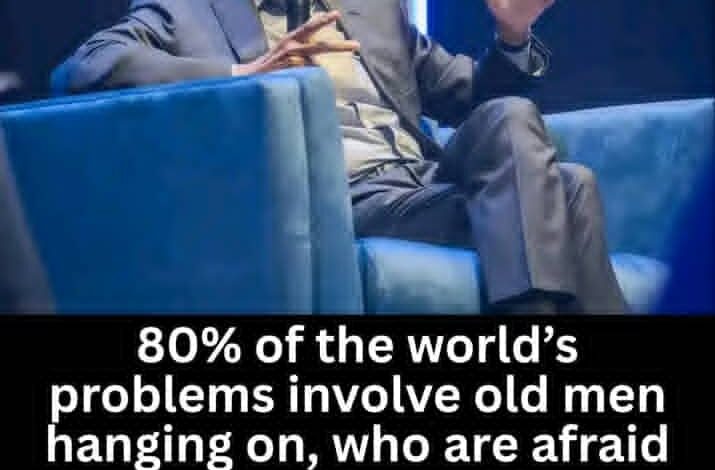
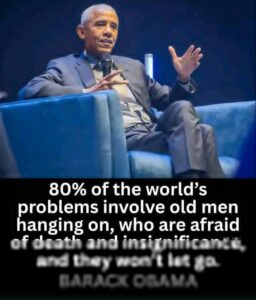
“Eighty percent of the world’s problems involve old men hanging on—men afraid of death and insignificance, who refuse to let go.”
— Barack Obama, 2025 London Dialogue with David Olusoga
By Uganda Today Political Desk
Africa’s leadership is ageing—literally. From Cameroon’s 92-year-old Paul Biya to Uganda’s 81-year-old Yoweri Museveni, the continent is witnessing a troubling pattern of men who refuse to leave the stage. Their endurance, often secured through constitutional manipulation and coercive power, has become both a political marvel and a democratic nightmare.
Cameroon: Paul Biya’s Phantom Presidency
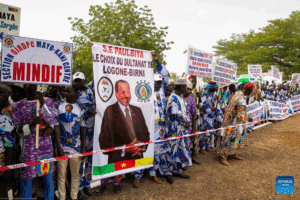
In Cameroon, President Paul Biya, 92, has ruled since 1982 — over four decades of one-man rule. He rarely appears in public and has recently allowed his effigy—a cardboard likeness—to lead his re-election campaign ahead of the October 2025 vote.
Civil servants, state TV, and ruling party loyalists stage rallies where the president’s portrait stands in for his presence. Critics call it “a presidency of the invisible.”
In 2024, Cameroon’s media were banned from discussing Biya’s health, with the government insisting that such topics threatened “national security.” Citizens whisper about the president’s frailty; the state insists he’s “in good health and working.” The spectacle raises one haunting question: who actually runs Cameroon?
Uganda: Museveni’s Endless Reign
Closer to home, President Yoweri Kaguta Museveni, who came to power in 1986, continues to tighten his grip after nearly 40 years in power. At 81, Museveni has outlived term and age limits, both of which he personally engineered out of Uganda’s Constitution.
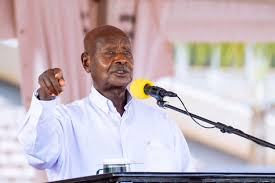
In 2017, a ruling-party-dominated Parliament voted to scrap the presidential age cap (75 years), paving way for Museveni’s continued candidacy. A decade earlier, in 2005, term limits were similarly erased. Today, his longevity is a case study in constitutional self-preservation.
Museveni’s justification has always been couched in the language of “stability” and “vision.” Yet Uganda’s youths — 77% of the population — increasingly see it as stagnation.
As one Makerere student recently put it during an online discussion:
“We were born under Museveni, we studied under Museveni, we’ll probably die under Museveni. The presidency has become an inheritance.”
Equatorial Guinea & Congo: The Perennial Presidents
In Equatorial Guinea, Teodoro Obiang Nguema Mbasogo, 82, is the world’s longest-serving president, having seized power in 1979. His son, Teodoro “Teodorín” Obiang Jr., is already vice president, indicating a looming dynastic succession.
Similarly, Denis Sassou Nguesso of the Republic of Congo, 81, has ruled for most of the past 45 years. His government, too, depends on constitutional changes and tight control of opposition parties.
These men are not just aging — they are institutionalized. They have become systems unto themselves, so deeply embedded that governance often stops where they stop.
The Cost of Never Leaving
Political analysts warn that clinging to power at such advanced age has grave consequences:
-
Governance paralysis: Elderly leaders are often detached from the daily realities of their people and rely on insulated loyalists who misinform them.
-
Succession chaos: Few groom credible successors, fearing potential rivals. When death or incapacity comes, entire states tremble.
-
Economic stagnation: Investor confidence suffers where political uncertainty looms over ageing regimes.
-
Generational alienation: Young Africans, the majority population, grow frustrated with leaders old enough to be their great-grandfathers.
As former U.S. President Barack Obama put it bluntly during his 2025 address:
<iframe width=”1080″ height=”608″ src=”https://www.youtube.com/embed/dUMwrLbjtsQ” title=”CAMEROON Paul Biya uses his PHOTO for Campaigns | SAHELIZATION: EPISODE 3 – DEMOCRACY” frameborder=”0″ allow=”accelerometer; autoplay; clipboard-write; encrypted-media; gyroscope; picture-in-picture; web-share” referrerpolicy=”strict-origin-when-cross-origin” allowfullscreen></iframe>
“Leadership should be a relay race, not a coronation. You run your leg, and then you hand off the baton.”
When Legacy Turns to Fear
What drives these men to cling so tightly to office? Analysts point to fear—of irrelevance, of accountability, and of mortality itself.
Dr. Achille Mbembe, a Cameroonian political theorist, once wrote that “power in Africa is treated as immortality insurance.”
For some, stepping down would mean confronting the ghosts of corruption, repression, or political violence. For others, it is simply the terror of vanishing from history.
Is Change Possible?
Despite the entrenched gerontocracies, Africa’s youth are restless. Digital movements, urban protests, and citizen journalism are chipping away at the old order. Countries like Senegal and Zambia have recently shown that peaceful transitions are possible.
In Uganda, opposition voices such as Robert Kyagulanyi (Bobi Wine) have framed their campaigns around generational justice — a demand that the future be unshackled from the past.
Still, for many African states, the struggle continues between leadership and legacy, service and self-preservation, renewal and ruin.
-
#AfricaGenerationalChange
-
#LeadershipAndLegacy
-
#StepAsideForTomorrow
-
#UgandaToday
-
#DemocracyInAfrica
-
#PowerTransition