
UgandaToday: Sanctuaries and the Ballot: Uganda’s EC Ban on Church Fundraising During Campaigns
By Emmanuel Mihiingo Kaija

IEC’s Landmark Directive
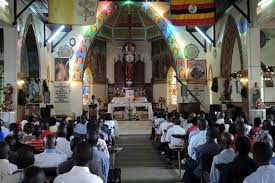
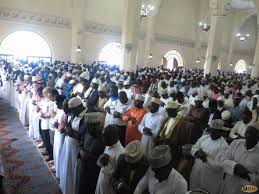
In September 2025, Uganda’s Independent Electoral Commission (IEC) issued a sweeping directive prohibiting political fundraising in all religious institutions nationwide. The ban affects more than 45,000 registered churches, mosques, and shrines that collectively host over 12 million weekly congregants.
The IEC says this move upholds Article 59 of the 1995 Constitution, the Parliamentary Electoral Act of 2005, and international obligations under the African Charter on Human and Peoples’ Rights and UN electoral guidelines.
Why Churches Were Targeted
Religious spaces carry immense moral authority, which can be exploited to influence elections. Between 2016 and 2021, church-based political fundraising accounted for 37% of documented voter influence incidents, with contributions ranging from UGX 500,000 to over UGX 20 million.
More than 65% of candidates in the last three general elections leveraged these spaces to convert spiritual trust into political capital. The IEC argues that this undermines voter autonomy and violates the principle of equal opportunity.
Legal and Political Implications
The ban codifies the neutrality of sacred spaces, ensuring:
-
Prevention of coercion during worship.
-
Compliance with constitutional safeguards.
-
Curbing patronage networks tied to religious affiliations.
The IEC underscores that “what is right is not always popular, and what is popular is not always right.”
Theological and Social Impact
Theologically, sacred spaces are meant for worship, not partisan advantage. Surveys by UBOS in 2023 revealed that 48% of congregants felt pressured to align politically during services, while 22% avoided worship altogether in campaign season.
Research from Makerere University shows that such politicization erodes trust in both church and state, with 41% of congregants reporting diminished confidence in religious leaders when politics infiltrates worship.
Economic Considerations
Religious fundraising during campaigns previously generated UGX 8.4 billion annually. While some funds went to development projects, they also allowed wealthier candidates to dominate.
Behavioral economics research suggests that removing financial inducements reduces conformity bias by 32%, encouraging independent political decisions.
Enforcement Challenges
Ensuring compliance is a tall order:
-
12 million weekly attendees
-
45,000 institutions
-
Thousands of campaign teams
The EC will need strong partnerships with the Inter-Religious Council of Uganda, civil society, and local monitors. Public audits and community reporting will be key.
Protecting Democracy and Faith
Ultimately, this is more than an electoral rule—it is a multidisciplinary intervention spanning law, politics, sociology, economics, and theology. By insulating sacred spaces from partisan influence, Uganda seeks to restore trust, reduce coercion, and safeguard democracy.
As the nation heads to the 2026 general elections, the ban’s true test will be its ability to preserve both worship and civic integrity.
Hashtags
-
#SanctuariesAndTheBallot
-
#UgandaDecides2026
-
#DemocracyAndFaith
-
#UgandaToday ✅
-
#PhoenixNewsFeeds ✅
-
#OperaNewsFeeds ✅