
Uganda Today: Convoys of Power: The Hidden Cost of Presidential Vanity in Africa
By Uganda Today Political Desk
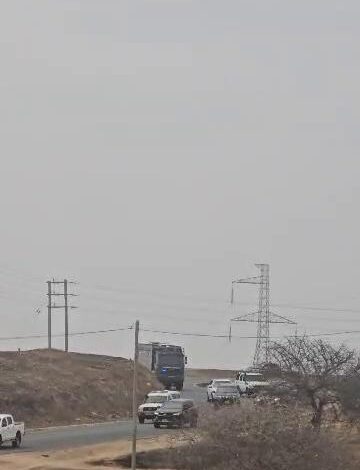
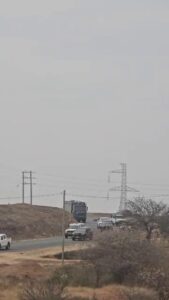
The roar of sirens, the endless chain of black SUVs, motorcycle outriders carving through city traffic, and the televised pomp — it’s a familiar African spectacle. The video of Tanzanian President Samia Suluhu Hassan on her way to collect CCM presidential nomination forms has reignited conversations about a long-standing issue: the extravagance of presidential motorcades on a continent mired in debt, poverty, and corruption.
While the event was ceremonial in nature, the optics tell a deeper story. President Samia’s procession, though comparatively modest by some regional standards, still reflected the entrenched tradition of state opulence at the taxpayer’s expense. From Nairobi to Kampala, Harare to Abuja, Africa’s executive elite move like royalty, disconnected from the fiscal realities burdening the ordinary citizen.
In Uganda, President Yoweri Museveni is reported to spend over 2.5 billion Ugandan shillings daily on his movements and general upkeep — a staggering figure for a nation where hospitals lack basic supplies, and children study under trees. His convoys can stretch for kilometres, requiring entire roads to be closed, fuel for dozens of vehicles, heavy security deployment, and logistical overheads few can rationalize in a developing economy.
Symbols of Sovereignty or Wasteful Vanity?
Proponents argue that such security convoys are essential for the protection of heads of state in regions riddled with political instability. However, critics see through the veneer — noting that these motorcades have grown more elaborate even as economies shrink and public outrage festers.
In Tanzania, while President Samia has introduced commendable reforms and struck a softer tone than her predecessor, the scale of the state machinery that accompanied her recent political milestone was hard to ignore. Her public image as a pragmatic and people-centered leader clashes somewhat with the grandeur displayed on her nomination day — not least because Tanzania, like many African countries, is wrestling with inflation, youth unemployment, and underfunded public services.
Corruption and Motorcades: A Twin Plague
But the real economic hemorrhage lies in the corrupt ecosystems that these convoys represent. Expensive cars are bought through inflated procurement deals; fuel is siphoned off; logistics contracts are handed to cronies. These convoys are not just wasteful — they are mechanisms of systemic plunder. They function as mobile symbols of impunity, cruising past the unemployed, the homeless, and the underpaid civil servants who ultimately foot the bill.
In countries like Uganda, where auditor general reports repeatedly expose financial mismanagement, the motorcade is an everyday insult. It is a moving billboard that says, “The state exists for the comfort of the ruler — not the ruled.”
A Race Against Poverty or a Parade for the Powerful?
While Africans queue for essentials and schools hold fundraising drives for chalk, their leaders glide above the fray. The paradox is stunning: African presidents often preside over the poorest citizens but maintain the most expensive tastes in leadership trappings.
What could 2.5 billion shillings do in a Ugandan district hospital today? How many classrooms could be roofed? How many boreholes drilled? The answers are sobering.
The Way Forward: Scaling Back with Statesmanship
For Africa to truly progress, a paradigm shift in leadership symbolism is urgent. Modest, secure, and efficient mobility for presidents should become the norm. Excessive convoys must be seen for what they are — an abuse of public resources and a vestige of colonial pomp. Transparency in presidential budgets, audits of state house expenditures, and a public discourse on fiscal priorities must follow.
President Samia’s video is only the latest reminder. But the pattern is widespread and damaging.
Until African leaders dismount from their gilded chariots, they will remain passengers on a continent stalled by its own contradictions.